

Youth Facilities
The Division of Juvenile Justice (DJJ) maintains six secure youth facilities across Alaska. These facilities are designed to be safe and supportive for young people who are involved in the juvenile justice system.
Staff members include trained Juvenile Justice Counselors, nurses, mental health clinicians, teachers, and others who work together to help youth succeed.

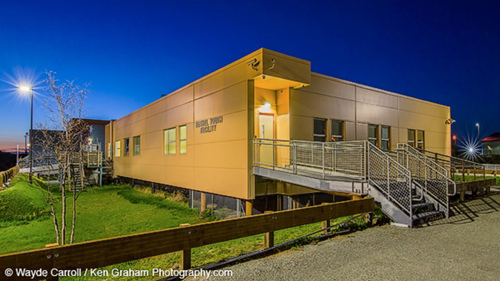

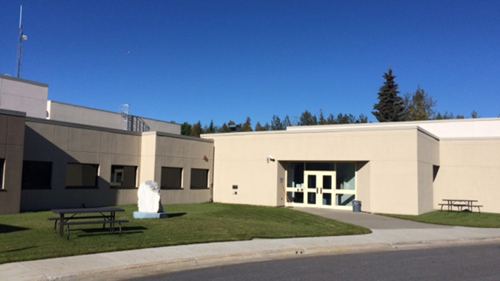

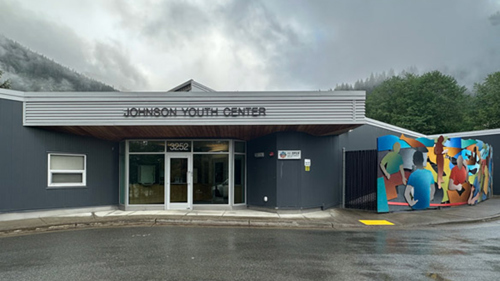

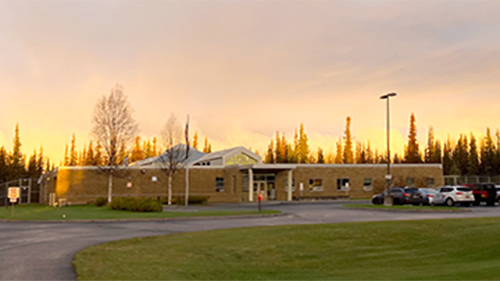

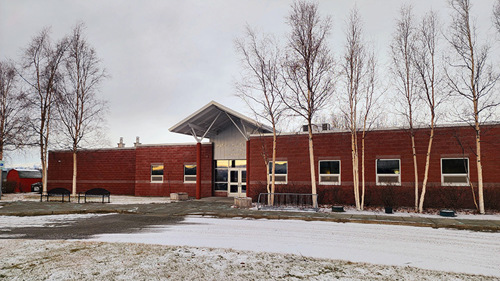

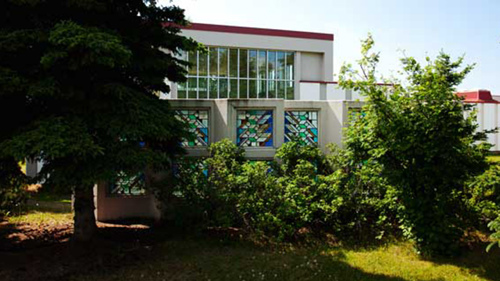

Secure Facilities
Detention vs. Treatment
What is detention?
Detention is a secure facility where youth stay when they've been arrested for a crime or a probation violation. Youth stay in detention temporarily while they wait for a court decision or other next steps.
While in detention, youth receive:
Health care (physical and mental),
Education through local districts,
Family contact,
Life skill group activities.
The provides information for parents who have a youth detained in a temporary detention or secure treatment facility.
What is treatment?
Treatment is also a secure facility, but it's for youth who need longer-term help and have been ordered by a judge to complete institutional treatment services after being adjudicated (convicted) of an offense or probation violation.
Treatment programs focus on changing behavior, building skills, and helping youth prepare for a better future.
While in treatment, youth receive:
Health care (physical and mental),
School services through local districts,
Family contact,
Life skills education,
Counseling (individual, group, and other therapies),
Transitional services to help youth return to their community,
Lessons on how their actions affect others (victim impact),
Job training and career exploration,
Neurofeedback,
Specialized programs for specific needs, like substance abuse, violence, or mental health challenges.
Mental Health
Nursing and Mental Health Services
DJJ employs skilled nursing and clinical staff that ensure the physical, mental, and emotional well-being of the youth served within Alaska's six secure juvenile facilities.

Mental Health Clinicians
Mental health clinicians at the Division of Juvenile Justice provide support to young people involved in the justice system. They work with youth who are living in secure facilities, receiving long-term treatment, or on probation. DJJ clinicians offer a wide range of mental health services and teach and guide staff to effectively work with youth experiencing mental health struggles.
Neurofeedback
The DJJ clinical team has implemented neurofeedback, a cutting-edge therapy, to support youth in crisis stabilization and the development of self-regulation skills. Through this process individuals learn to regulate their brain activity and improve their ability to manage emotions and behaviors in safe and prosocial ways. Reported outcomes can include reduced anxiety symptoms, improved mood and focus, decreased aggression and self-harm behaviors, and improved sleep patterns.
Facility Nurses
DJJ's facility nurses ensure the physical well-being of all residents residing within DJJ's facilities. Nurses assess and monitor residents' physical health, deliver direct care, and refer residents for higher levels of medical care or expertise when necessary. Our nurses maintain regular contact with parents/guardians, updating them on their child's health and consulting on medical decisions.
Prison Rape Elimination Act
Prison Rape Elimination Act (PREA)
The Division of Juvenile Justice is committed to the safety of all juveniles under its care and to the standards of the Prison Rape Elimination Act (PREA). All staff are subject to the statewide PREA policy.
The division has zero tolerance for all forms of sexual harassment, sexual misconduct, or sexual contact between DJJ staff and clients or between juveniles in DJJ secure facilities. The Division will investigate all reports of sexual activity. Perpetrators will be disciplined and, when appropriate, referred for criminal investigation and prosecution. Anyone who reports sexual harassment, sexual misconduct, or sexual contact with a juvenile will be protected from retaliation.